
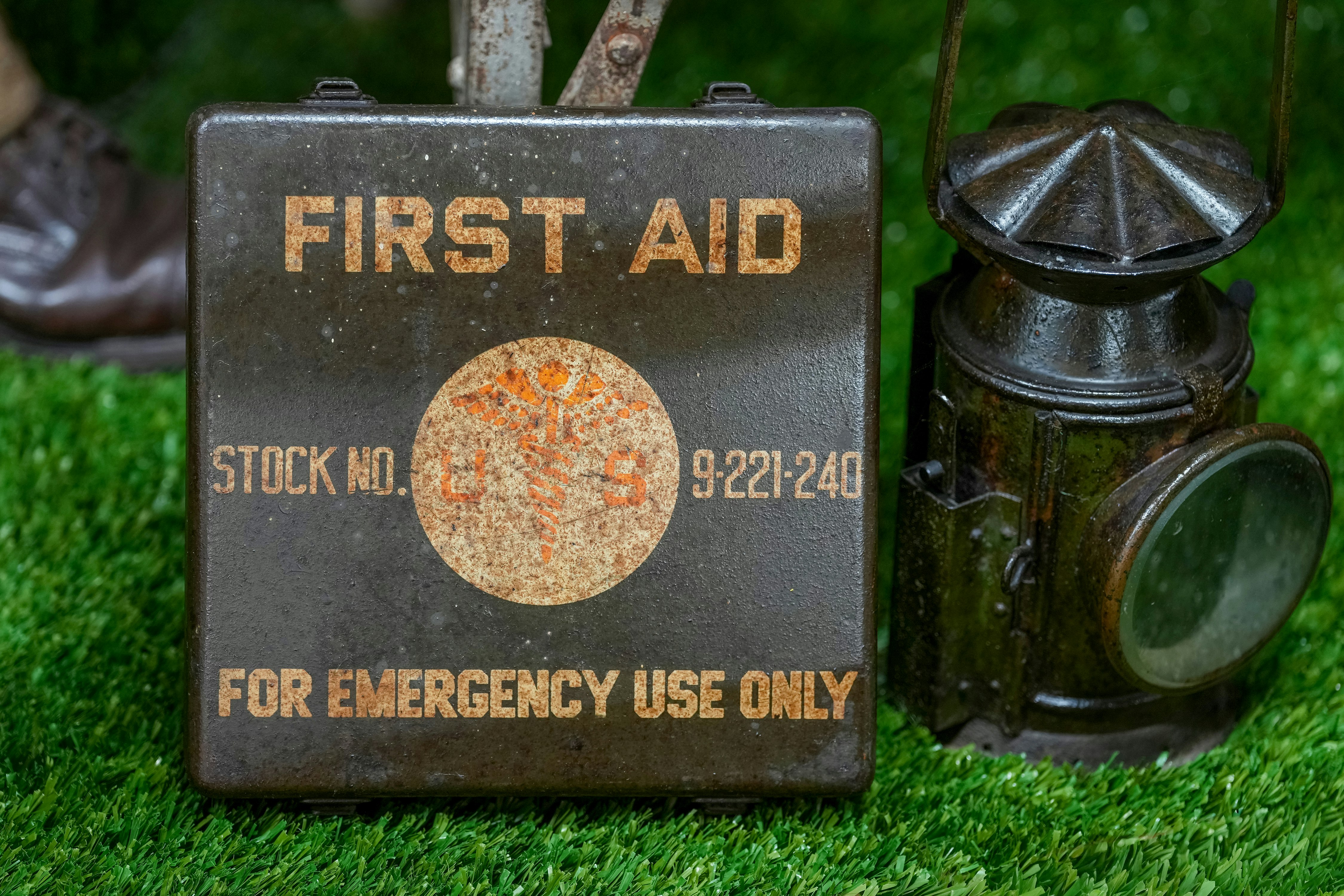
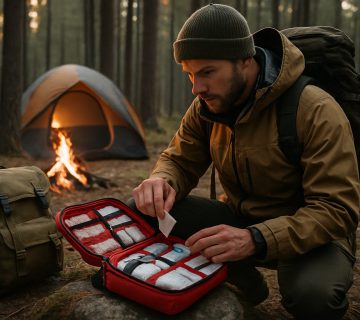
Your readiness is crucial when you go out into the wild, whether it’s for a multi-day backpacking trip through the Chattahoochee National Forest or a day hike in the mountains of North Georgia. What you have in your first aid kit can often make the difference between a minor annoyance and a serious emergency. Instead of viewing it as merely a set of bandages, think of it as a transportable safety net that has been painstakingly put together to treat the most common & serious injuries you may come across when you are far from emergency medical assistance. Being competent, resourceful, and able to stabilize a situation until professional help arrives or you can evacuate yourself is more important than being a doctor.
Handling the Small Cuts and Scrapes. Even the most experienced outdoor enthusiast will eventually sustain a small cut or scrape. Common incidents include slipping on a wet rock, unintentionally brushing a prickly bush, or making a mistake when setting up camp. A well-stocked kit includes a range of adhesive bandages for these commonplace situations.
When preparing for outdoor adventures, having a well-stocked wilderness first aid kit is crucial for ensuring safety in case of emergencies. To complement your first aid preparations, it’s also important to be knowledgeable about setting up your campsite correctly. For a comprehensive guide on this topic, check out the article on setting up a tent properly at Outdoorsurvivors. This resource will help you create a safe and comfortable environment, allowing you to focus on enjoying your wilderness experience while being prepared for any unexpected situations.
A variety of sizes are necessary, ranging from tiny circular bandages for minor nicks to larger, rectangular ones for more serious abrasions. Crucially, keep in mind specific shapes like fingertip and knuckle bandages. For joint injuries, where traditional bandages frequently come off or limit movement, these are extremely helpful. If not adequately protected, a deep cut on the knuckle can be surprisingly incapacitating. You’ll need non-adherent dressings and a good supply of gauze pads in addition to basic adhesive strips. For larger wounds that need more coverage and absorption, these are crucial.
Gauze pads are available in different sizes, usually 2×2, 3×3, and 4×4 inches, & it is best to have a combination. Because they won’t adhere to the wound bed, non-adherent dressings—which are frequently coated with a unique film—are essential because they make dressing changes less uncomfortable and less likely to impede the healing process. Medical tape is your best friend when it comes to fastening these dressings.
Seek out waterproof or extremely sticky types that can tolerate perspiration, moisture, and even light rain. Roller gauze, sometimes referred to as conforming gauze, is a very helpful addition to medical tape. It is a continuous roll of loosely woven material that can be used to create a temporary sling, provide light compression, or hold dressings in place around a limb.
When preparing for outdoor adventures, having a well-stocked wilderness first aid kit is crucial for ensuring safety in remote areas. For those looking to enhance their knowledge on this topic, a related article can be found that discusses essential items to include in your kit. This informative piece offers valuable insights into the importance of each item and how they can be used effectively in emergencies. To learn more about wilderness first aid kit essentials, you can visit this link for further details.
| Item | Quantity | Purpose | Notes |
|---|---|---|---|
| Adhesive Bandages (various sizes) | 10-15 | Cover small cuts and blisters | Include waterproof types |
| Sterile Gauze Pads | 4-6 | Dress larger wounds | 4×4 inch pads recommended |
| Adhesive Tape | 1 roll | Secure dressings and splints | Hypoallergenic preferred |
| Antiseptic Wipes | 10-15 | Clean wounds to prevent infection | Individually wrapped |
| Antibiotic Ointment | 1 small tube | Prevent infection in cuts and scrapes | Use sparingly |
| Elastic Bandage (ACE wrap) | 1 | Support sprains and strains | 3-4 inch width |
| Medical Gloves (nitrile or latex) | 2 pairs | Protect both patient and caregiver | Powder-free preferred |
| CPR Face Shield | 1 | Safe rescue breathing | Compact and portable |
| Scissors | 1 | Cut tape, clothing, or bandages | Blunt tip recommended |
| Tweezers | 1 | Remove splinters or debris | Fine tip preferred |
| Thermal Blanket | 1 | Prevent hypothermia | Compact foil type |
| Pain Relievers (e.g., ibuprofen, acetaminophen) | 10 tablets each | Manage pain and reduce fever | Check expiration dates |
| Burn Cream or Aloe Vera Gel | 1 small tube | Treat minor burns | Use as directed |
| Instant Cold Pack | 1-2 | Reduce swelling and pain | Single use |
| Splint (foldable or inflatable) | 1 | Immobilize fractures or sprains | Lightweight and portable |
It fits snugly & securely because of its flexibility, which enables it to conform to various body shapes. Antiseptic wipes or sachets are essential for cleaning these minor wounds. Compared to carrying a bottle of liquid antiseptic, these individually packaged wipes, which are saturated with an antiseptic solution like benzalkonium chloride, are much more practical & sterile. To help prevent infection, apply a thin layer of antibiotic ointment after cleaning.
Look for ointments that contain either polymyxin B or bacitracin. If left untreated, even a minor scratch can become infected in a wilderness setting, and an infection far from civilization can quickly become a major issue. Safety and hygiene are crucial for protecting both yourself & others.
FAQs
What should be included in a wilderness first aid kit?
A wilderness first aid kit should include items such as bandages, gauze pads, adhesive tape, antiseptic wipes, tweezers, scissors, a CPR mask, pain relievers, and blister treatment.
Why is it important to have a wilderness first aid kit?
Having a wilderness first aid kit is important because it allows you to quickly and effectively treat minor injuries and illnesses while outdoors, preventing them from becoming more serious.
How often should a wilderness first aid kit be checked and restocked?
A wilderness first aid kit should be checked and restocked regularly, at least once a year, to ensure that all items are up to date, not expired, and in good condition.
Are there any specific items that are essential for a wilderness first aid kit?
Some essential items for a wilderness first aid kit include a whistle, emergency blanket, compass, waterproof matches, and a multi-tool, in addition to the basic first aid supplies.
Can a wilderness first aid kit be customized based on specific activities or environments?
Yes, a wilderness first aid kit can be customized based on the specific activities or environments you will be in. For example, adding insect repellent or a snake bite kit for certain regions.
Gear Up for Your Next Adventure
Shop related gear from Outdoor Survivors:



No comment