
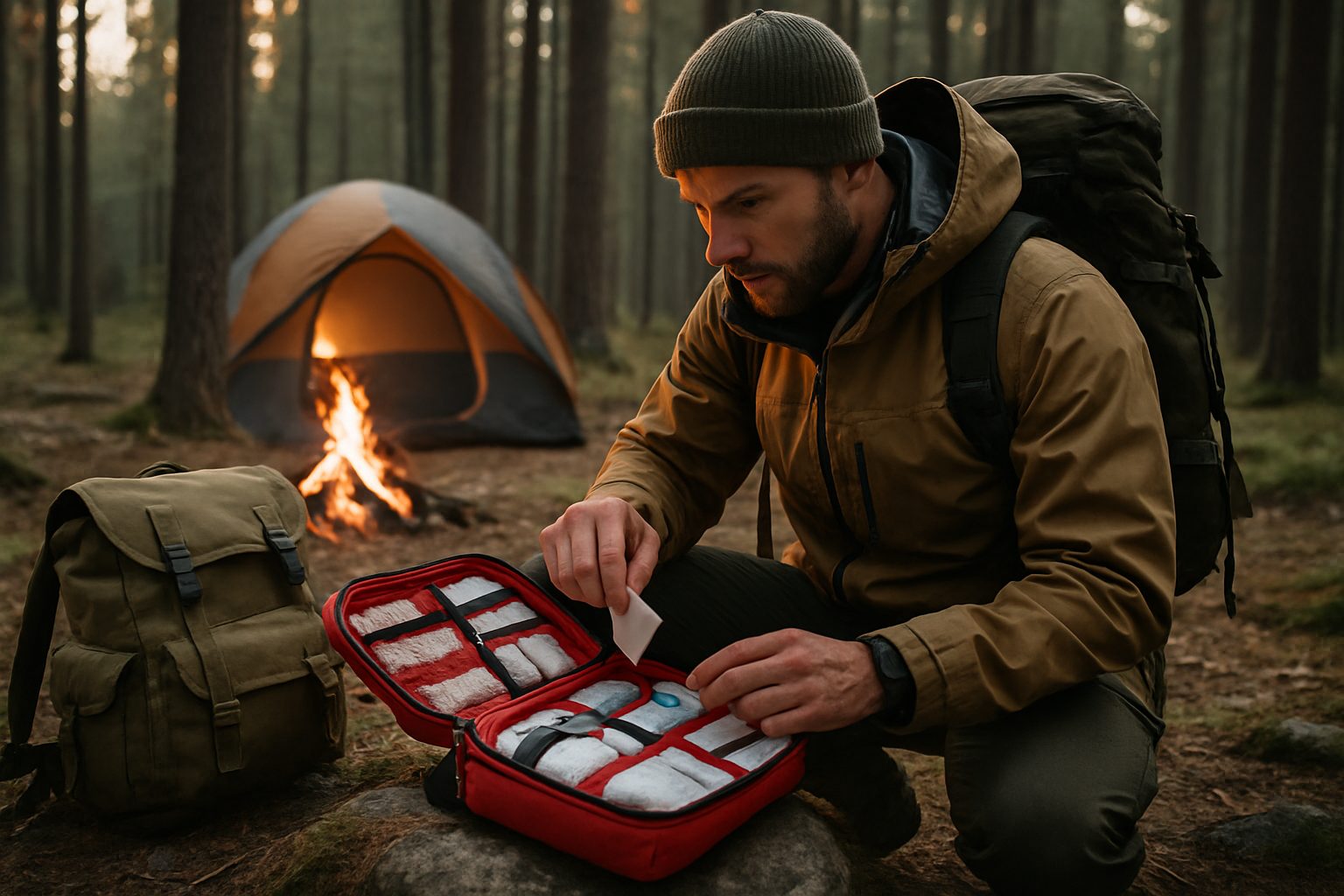
Camping First Aid Kit Essentials List: Your Ultimate Guide to Outdoor Preparedness
Heading out into the wilderness can be an exhilarating experience, whether you’re a seasoned adventurer or a first-time camper. While the call of the wild offers peace and solitude, it also demands respect and preparation. One vital part of this preparation is ensuring you have a comprehensive camping first aid kit. A well-stocked first aid kit can make the difference between a minor incident and a trip-ending emergency.
Why a First Aid Kit is Essential for Camping
When you’re camping, you’re often miles away from the nearest pharmacy or hospital. This isolation means that you need to be prepared for any potential injuries or illnesses. According to the Centers for Disease Control and Prevention (CDC), having a first aid kit on hand can significantly reduce the severity of injuries and help manage medical emergencies until professional help arrives.
Understanding the Risks
From insect bites to sprained ankles, the great outdoors can present numerous hazards. According to a study published by the Journal of Wilderness Medicine, the most common injuries reported in outdoor settings include cuts, scrapes, blisters, and sprains. Being prepared for these situations is crucial for any outdoor enthusiast.
Building Your Camping First Aid Kit: What You Need
Creating a comprehensive first aid kit involves more than tossing a few bandages into a bag. Here, we’ll break down the essential items you should include, ensuring that you’re ready for whatever comes your way.
Basic First Aid Supplies
- Adhesive Bandages: Various sizes for minor cuts and blisters.
- Gauze Pads: Essential for larger wounds.
- Adhesive Tape: To secure bandages and gauze.
- Antiseptic Wipes: For cleaning wounds and preventing infection.
- Hydrocortisone Cream: To relieve itching and skin irritations.
- Antibiotic Ointment: To prevent wound infections.
- Elastic Bandage: For sprains and strains.
- Scissors: For cutting tape and clothing.
Medications
- Pain Relievers: Ibuprofen or acetaminophen for pain and inflammation.
- Antihistamines: For allergic reactions.
- Antacids: To treat stomach upset.
Tools and Equipment
- Tweezers: For removing splinters and ticks.
- Thermometer: A digital thermometer for checking fevers.
- Disposable Gloves: To maintain hygiene while treating wounds.
- First Aid Manual: A quick guide for handling different medical situations.
Specialty Items
Depending on your destination and the specific needs of your group, you might want to include some specialty items:
- Snake Bite Kit: Crucial if you’re camping in areas known for snakes.
- Insect Sting Relief: For areas with high insect activity.
- Burn Cream: Helpful if campfires are part of your plans.
Packing Your First Aid Kit: Tips and Tricks
Once you have gathered all the necessary items, the next step is organizing them efficiently. Consider using the Tactical 80L MOLLE Duffle Bag Backpack to keep your first aid supplies organized and easily accessible. The MOLLE system allows for customizable storage, so you can prioritize items based on your needs.
Waterproofing Your Kit
Waterproofing your first aid kit is crucial, especially in unpredictable weather conditions. Use zip-lock bags or a Tactical Thermal Cooler Bag to protect your supplies from moisture, ensuring they’re ready when you need them.
Training and Preparedness
Having the right supplies is only part of the equation. Knowing how to use them is equally important. Consider enrolling in a wilderness first aid course offered by organizations like the American Red Cross to enhance your emergency response skills.
FAQs About Camping First Aid Kits
How often should I check my first aid kit?
It’s recommended to check your first aid kit before each camping trip to ensure all items are present and not expired.
What should I do if I’ve used an item from my kit?
Immediately replace any used items to keep your kit fully stocked for future emergencies.
Can I customize my first aid kit?
Absolutely! Tailor your kit to the specific needs of your group and the environment you’ll be exploring.
How should I store my first aid kit when not in use?
Store it in a cool, dry place, ideally in a durable backpack that you can quickly grab in case of an emergency.
Conclusion: Be Prepared and Stay Safe
Being prepared is the key to enjoying your outdoor adventures safely. With the right first aid kit and knowledge, you can tackle any challenges nature throws your way. Ready to gear up for your next camping trip? Check out our wide selection of outdoor gear to ensure you’re fully equipped for the great outdoors.
Gear Up for Your Next Adventure
Shop related gear from Outdoor Survivors:


No comment