
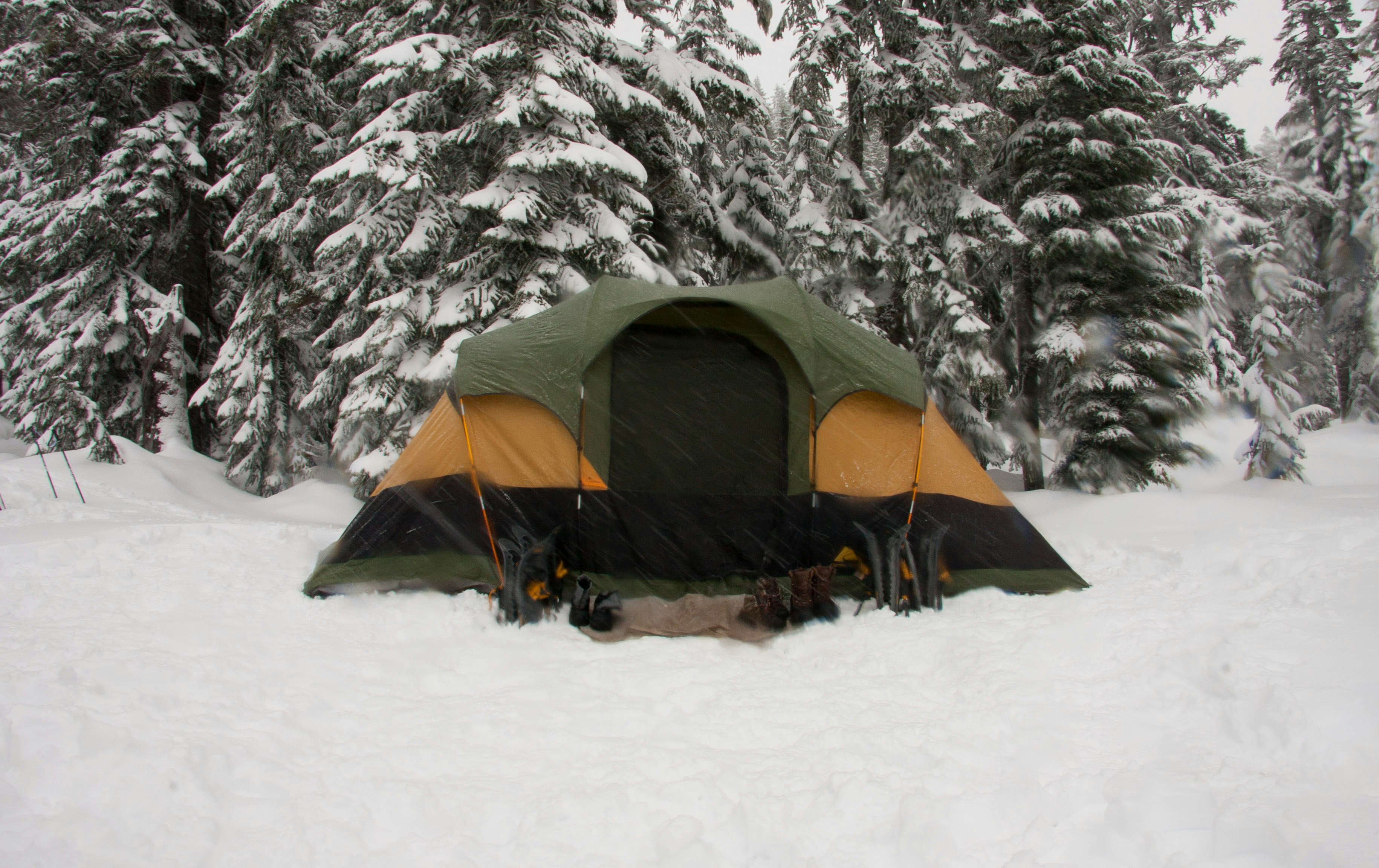
Winter camping brings a special stillness, an untouched charm that only appears when the land is covered in snow & ice. Yet this calm experience calls for careful planning, especially when shielding yourself from the severe frost. Your top shield against hypothermia & frostbite depends on your clothing layers and your sleeping arrangement.
The Skill of Layering: Bottom, Middle, & Outer Coverings
Smart layering is a must for winter camping. It lets you adjust to shifting temperatures and exertion levels, holding in heat while controlling sweat. Picture it as a personal heat regulator you can tweak through the day. Base Layers: Handling Sweat
Your base layer is the first barrier against the chill, worn right against your skin.
When preparing for a winter camping adventure, having the right safety gear is essential to ensure a safe and enjoyable experience. A comprehensive winter camping safety gear checklist can help you pack all the necessary items, from insulated sleeping bags to proper clothing layers. For more information on outdoor safety and to explore additional resources, you can check out this related article on winter camping tips at Outdoors Survivors.
Its main job is to pull moisture (perspiration) off your skin, stopping the cooling caused by evaporation. When sweat stays on your skin, it chills quickly, causing a sharp fall in core heat. Merino wool and man-made fabrics like polyester are top picks here. Steer clear of cotton entirely; it soaks up sweat and dries very slowly, turning into a risky heat thief in cold conditions. Pick mid-weight options for typical winter use, though expedition-weight might be needed for truly freezing climates or folks who feel the cold more. Middle Layers: Storing Heat
The middle layer gives most of your insulation.
This is where you hold warm air near your body. Fleece, down, and synthetic insulated coats are great picks. For mild cold, a medium fleece jacket might be enough. For harsher temperatures, a thicker fleece or a puffy jacket filled with down or man-made padding becomes vital. Down offers a superb warmth-to-weight ratio and packs down neatly, but fails to insulate when soaked.
Synthetic padding works better when damp but is typically heavier & larger for equal warmth. Think about a mix: a light fleece for moving around and a packable down or synthetic puffy for still moments at camp. Outer Shells: Shielding from Weather
Your outer layer, often called a shell, guards you against wind, snow, and rain. It must be both waterproof and breathable. A hard shell made from Gore-Tex or a similar patented fabric is perfect, giving strong defense against rain while letting some inner moisture escape.
When preparing for a winter camping trip, having the right safety gear is essential to ensure a safe and enjoyable experience. For a comprehensive guide on what to include in your winter camping safety gear checklist, you can refer to this informative article. It covers everything from clothing layers to emergency supplies, helping you stay warm and protected in harsh conditions. To learn more about essential gear and tips for your winter adventures, check out this helpful resource on winter camping safety gear.
| Gear Item | Purpose | Recommended Features | Notes |
|---|---|---|---|
| Four-season Tent | Protection from snow, wind, and cold | Strong poles, snow flaps, good ventilation | Ensure tent stakes are suitable for snow |
| Sleeping Bag | Insulation and warmth during sleep | Rated for temperatures below expected lows, down or synthetic fill | Use a sleeping bag liner for extra warmth |
| Sleeping Pad | Insulation from cold ground | Closed-cell foam or inflatable with high R-value (5+) | Consider double layering for extra insulation |
| Insulated Clothing | Body warmth and moisture management | Layering system: base layer, insulating mid-layer, waterproof outer layer | Choose moisture-wicking and breathable fabrics |
| Waterproof Boots | Foot protection and warmth | Insulated, waterproof, with good traction | Bring extra socks to keep feet dry |
| Gloves and Mittens | Hand warmth and protection | Layered system: liner gloves + insulated mittens | Keep spare gloves dry in waterproof bags |
| Headlamp with Extra Batteries | Visibility in low light | Bright LED, waterproof, long battery life | Cold drains batteries faster; keep spares warm |
| Fire Starter Kit | Igniting fire for warmth and cooking | Waterproof matches, lighters, firesteel | Carry multiple ignition sources |
| First Aid Kit | Treat injuries and emergencies | Include frostbite and hypothermia supplies | Know how to use all items |
| Navigation Tools | Route finding and safety | Map, compass, GPS device | Check batteries and signal before trip |
| Emergency Shelter | Backup protection in emergencies | Lightweight bivy sack or emergency blanket | Practice setting up before trip |
| Hydration System | Prevent dehydration | Insulated water bottles or hydration packs | Prevent freezing by storing close to body |
| Snow Shovel | Digging tent platforms or emergency shelter | Lightweight, durable | Useful for avalanche safety if applicable |
| Avalanche Safety Gear | Rescue in avalanche terrain | Beacon, probe, shovel | Only if camping in avalanche-prone areas |
Seek features like adjustable hoods that fit over caps, sealed zippers, and side zips for airflow. Keep in mind, even in dry, cold weather, wind can sharply boost heat loss through convection, making a windproof outer layer vital. A durable water repellent (DWR) finish will help push off light snow and dampness. Beyond the Essentials: Hand, Foot, and Head Care
While your core layers matter most, ignoring your limbs can cause fast heat loss and intense discomfort.
When preparing for winter camping, having the right safety gear is essential to ensure a comfortable and secure experience in the cold. A comprehensive checklist can help you remember all the necessary items, from insulated clothing to emergency supplies. Additionally, understanding how to choose the perfect sleeping bag for the temperatures you may encounter is crucial for a good night’s sleep. For more insights on selecting the right sleeping bag, you can check out this informative article on choosing the perfect sleeping bag temperature rating.
Your hands, feet, & head are especially weak spots. Insulated Winter Boots and Socks
Your feet often feel the cold first, so proper footwear is essential. Insulated winter boots, rated for below-freezing weather, are a necessity. Hunt for boots with waterproof layers and plenty of padding (e.g., Thinsulate or similar).
Make sure they are spacious enough to hold thick wool socks without blocking circulation, which can cause cold feet. For socks, several pairs of heavy, thermal wool socks are crucial. Merino wool stands out for its warmth, moisture control, and smell resistance. Pack at least two to three pairs – one for hiking, one for sleeping, & a spare. Never wear cotton socks in winter.
Think about vapor barrier liners for long trips to keep your main socks dry. Caps, Face Masks, and Gloves/Mittens
You lose a huge amount of heat through your head, so a warm hat or beanie is a must. Wool or fleece versions work great. For harsher cold or windy settings, a balaclava offers full face and neck coverage, which can make a huge difference in comfort. For your hands, a layering method often works well. Begin with thin liner gloves (silk or lightweight wool/synthetic) for handling tasks, then add insulated gloves or, for colder weather, mittens.
Mittens give better warmth because your fingers share heat, but limit dexterity. Many seasoned winter campers carry both: gloves for jobs needing fine control and mittens for everyday warmth. Look for waterproof and windproof outer materials for both. Once your personal warmth is sorted, your next big focus is your tent and sleeping gear.
These parts create a tiny warm zone that shields you from the weather during your most exposed hours. Four-Season Shelter: Your Winter Base
A four-season tent is built to handle winter challenges, including heavy snow loads & strong gusts. Unlike three-season tents, they usually have sturdier poles, more tie-down spots, and less netting for better heat retention. Tent Build and Snow Anchors
Choose a strong dome or geodesic shape that sheds snow well and fights high winds. Airflow is still needed to control condensation, but it’s usually less than in summer tents.
Confirm your tent comes with snow stakes or think about bringing “deadman anchors” – large, flat items like stuff sacks filled with snow, or custom anchors – to hold your tent in soft snow, since regular stakes won’t work. A groundsheet or footprint is also key to shield your tent floor from wear and add an extra barrier against ground chill. Don’t forget to clear & pack down a tent spot before setting up, which will lead to a cozier and warmer night. Stove and Fuel for Chilly Weather
Your stove is more than a cooking tool; it’s a vital device for melting snow into water, which is crucial for staying hydrated & avoiding hypothermia.
Canister stoves, though handy, can fail in very cold temperatures because the fuel can loses pressure. Liquid fuel stoves (white gas) are usually liked for winter camping as they work steadily in extreme cold. Always bring enough fuel – melting snow uses a surprising amount of energy. A pot meant for melting snow is also needed; pick one with a wide surface for effective melting. Store fuel canisters inside your sleeping bag or coat before using to keep them warm and pressurized.
The Sleep System: Sleeping Bag & Mat
Your sleep setup is likely the most vital gear for warmth at night. A cold night’s rest can quickly cause fatigue and raise the risk of hypothermia. Cold-Rated Sleeping Bags
Your sleeping bag should be rated for temperatures much lower than you expect to face. A bag rated for 0°F (-18°C) is a decent start for most winter trips in Georgia’s mountains, but for tougher outings, a -20°F (-29°C) or even -40°F (-40°C) bag might be required. Down sleeping bags give the top warmth-to-weight ratio, but synthetic bags are a solid pick if you foresee wet weather, as they keep some insulation when damp. Look for features like a draft seal to prevent warm air from leaking and a hood that tightens around your head.
Always keep your sleeping bag loose at home to preserve its fluff. High-R-Value Sleeping Mats
Just as, if not more, vital than your sleeping bag is your sleeping mat. The ground will pull heat from your body at a fast pace. A high-R-value sleeping mat creates a key insulating barrier.
The R-value measures a material’s resistance to heat flow; for winter, an R-value of 4.5 or above is suggested, with 6-8 being perfect for truly cold conditions. Many winter campers stack two mats: a closed-cell foam mat (R-value ~2-3) directly on the ground for puncture safety and extra insulation, topped with an inflatable insulated mat (R-value ~3-5). This mix provides excellent warmth and a spare layer.
Keeping your energy & water levels up is vital in cold weather. Your body burns much more calories to stay warm, and dehydration can set in quickly, making the cold worse. Water Management: Staying Hydrated
Dehydration is a sneaky risk in winter. You might not feel thirsty as often, but the dry air, heavier breathing, and physical work still drain your body’s water supply.
Insulated Water Bottles and Bladders
Standard water bottles will freeze solid fast. Insulated water bottles or bottles placed in an insulating sleeve are a must. Wide-mouth Nalgene bottles are common because they are tough and can be filled with hot water at night to act as a warm “hot water bottle” in your sleeping bag. If using a hydration bladder, make sure the tube and mouthpiece are insulated, & blow back into the tube after each sip to clear water and stop freezing. Keep bladders inside your pack, near your body, or even inside your sleeping bag at night.
Water Filtration or Purification
While melting snow gives the most available water source, having a backup filtration or purification method is smart. Some filters are built for cold weather, but many can freeze and get damaged. Chemical purification tablets (like Aquamira or iodine) or a trusted UV purifier (like SteriPEN) are top picks for winter as they are less prone to freezing.
Always bring a backup method. Keep in mind that melted snow, though clean, lacks minerals, so think about bringing electrolyte tablets or powders to replace what you lose. Fueling Your Body: Food and Energy
Your body is always working to produce heat, needing a large calorie intake. Focus on high-calorie, easy-to-digest foods.
FAQs
What are the essential items to include in a winter camping safety gear checklist?
Some essential items to include in a winter camping safety gear checklist are a four-season tent, sleeping bag rated for cold temperatures, insulated sleeping pad, warm clothing layers, waterproof outerwear, winter boots, headlamp with extra batteries, first aid kit, emergency shelter, and a multi-tool.
Why is it important to have a four-season tent for winter camping?
A four-season tent is important for winter camping because it is designed to withstand harsh winter conditions, such as heavy snowfall and strong winds. These tents are more durable, have stronger poles, and provide better insulation to keep you warm and protected from the elements.
What type of sleeping bag should I bring for winter camping?
For winter camping, it is recommended to bring a sleeping bag that is rated for cold temperatures, preferably with a comfort rating lower than the expected nighttime temperatures. Look for sleeping bags with high-quality insulation, such as down or synthetic materials, to keep you warm and comfortable throughout the night.
How can I stay warm while winter camping?
To stay warm while winter camping, it is important to dress in layers, including moisture-wicking base layers, insulating mid-layers, and a waterproof outer layer. Additionally, using a high-quality sleeping bag, insulated sleeping pad, and wearing a hat and gloves can help retain body heat and prevent heat loss.
Why is it crucial to carry a first aid kit for winter camping?
Carrying a first aid kit for winter camping is crucial because it allows you to treat minor injuries and illnesses that may occur during your trip. In cold weather conditions, injuries like frostbite and hypothermia are risks, so having essential medical supplies on hand can help you address emergencies promptly and effectively.


No comment