
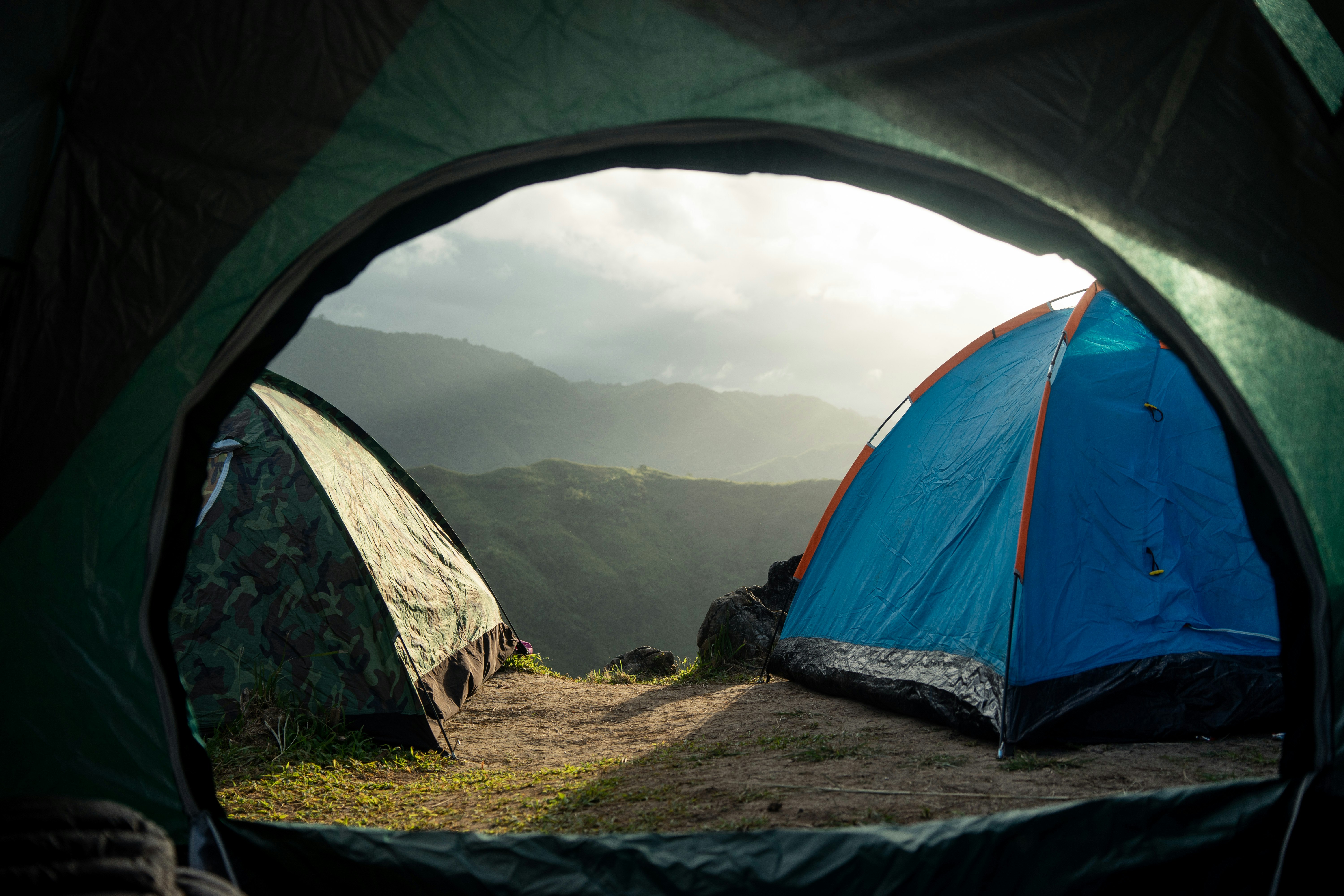
Before you head out for your next family camping adventure, understanding campsite safety is paramount. A well-prepared approach ensures your trip is not only enjoyable but also secure for everyone, especially the younger members of your group. This guide outlines key areas to focus on, helping you create your own comprehensive campsite safety checklist.
Successful campsite safety begins long before you arrive at your destination. Thorough planning minimizes risks and prepares your family for various situations.
Weather and Hazard Assessment
Understanding the environment you’ll be camping in is crucial for safety. Before you leave home, research the typical weather patterns for your chosen location and time of year. Check the forecast for the duration of your trip and be prepared for potential changes.
Monitoring Conditions
During your trip, stay informed about weather updates. Many state and national park websites offer real-time weather information or alerts. Consider bringing a portable weather radio to receive NOAA Weather Radio broadcasts, especially if you’ll be in areas with limited cell service. Be aware of local hazard advisories, such as fire restrictions, flood warnings, or reports of wildlife activity.
Emergency Contact Information
Ensure all adults in your group have each other’s contact numbers and know the emergency contact information for family members back home. Familiarize yourself with the nearest ranger station or emergency services location.
First Aid Preparedness
A well-stocked first aid kit is a non-negotiable item for any family camping trip. The contents should be tailored to the specific needs of your family members, considering ages, known allergies, and any pre-existing medical conditions.
Essential First Aid Supplies
Your kit should include items like assorted bandages, sterile gauze pads, adhesive tape, antiseptic wipes, pain relievers (appropriate for adults and children), antihistamines, insect sting relief, tweezers, and any prescription medications your family members require. Don’t forget items for treating blisters, such as moleskin.
Allergy and Prescription Needs
If any family member has severe allergies, ensure you have their prescribed epinephrine auto-injector (like an EpiPen) and that at least one adult knows how to use it. Pack ample quantities of any prescription medications, as replenishing them in a remote camping area can be difficult. Include information about any allergies or medical conditions in a readily accessible place.
Communication and Navigation Tools
In remote areas, reliable communication and navigation tools are vital for safety. Cell phone service can be spotty or nonexistent, making it important to have backup options.
Emergency Communication Devices
A fully charged mobile phone is a primary tool, but consider its limitations. A whistle can be a simple yet effective signaling device in emergencies. For areas with potential for getting lost, a map and compass are essential, and it’s wise to practice using them before your trip. A GPS device or a dedicated emergency beacon can provide an added layer of security in very remote locations.
Familiarity with Tools
Ensure that at least one adult in your group knows how to use the map and compass or GPS device. Having these tools is only effective if you know how to operate them correctly.
When planning a family camping trip, ensuring safety is paramount, and having a comprehensive Campsite Safety Checklist for Families can help you prepare for various situations. In addition to campsite safety, it’s also essential to be prepared for emergencies on the road. A related article that provides valuable information on this topic is the guide on building a basic car emergency kit, which can be crucial for any family adventure. You can read more about it here: Building a Basic Car Emergency Kit.
Campsite Selection and Setup
Choosing a safe campsite and setting it up properly are critical steps for preventing accidents and ensuring comfort.
Site Inspection
Upon arrival at your designated campsite, take time to thoroughly inspect the area before unloading all your gear. This initial walkthrough can identify potential hazards that might otherwise be overlooked.
Identifying Environmental Hazards
Look for trip hazards such as exposed roots, rocks, or uneven ground. Check for signs of poison ivy, oak, or sumac, and educate your family on how to identify and avoid them. Ensure the campsite is not in a low-lying area prone to flooding, especially if rain is in the forecast. Also, be aware of any dead trees or branches that could fall.
Equipment Readiness
Before setting up your tent, inspect its poles, fabric, and zippers for any damage. Ensure your camp stove is in good working order and that you have enough fuel. Check lanterns or flashlights to confirm they are functioning and you have spare batteries.
Tent Placement and Setup
Proper tent placement and secure setup contribute significantly to comfort and safety, especially in varied weather conditions.
Strategic Location
Choose a flat, level area for your tent. Avoid setting up under dead trees or branches that could fall. Consider prevailing winds and position your tent so it offers some protection rather than being directly in the path of strong gusts. If camping near water, be mindful of potential high water levels or mosquito activity.
Secure Anchoring
Use all available guy lines and stakes to securely anchor your tent. This is particularly important in windy conditions to prevent the tent from blowing away or being damaged. Ensure the rainfly is properly attached and taut to provide maximum protection from rain.
Fire Safety

Campfires are a quintessential part of the camping experience, but they also require careful management to prevent accidents and wildfires.
Responsible Fire Management
Adhering to fire safety guidelines is essential for protecting yourself, your family, and the natural environment. Always use designated fire rings or pits provided at the campsite.
Fire Prevention Measures
Keep a bucket of water and a shovel or dirt readily accessible near the campfire at all times. Clear any flammable materials, such as dry leaves or overhanging branches, from a 10-foot radius around the fire ring. Never use accelerants like gasoline to start a fire, as they can cause unpredictable flare-ups.
Supervision and Extinguishment
Children should always be supervised closely around the campfire and taught to maintain a safe distance. Before leaving the campsite or going to bed, ensure the fire is completely extinguished. Douse the embers with water, stir them with a shovel, and repeat until there is no heat and no glowing embers.
Water Safety

If your campsite is near a lake, river, or stream, water safety becomes a critical concern, especially for families with children.
Supervision Around Water
Constant adult supervision is paramount when children are near any body of water. Establish clear rules about being near the water and ensure these rules are understood and followed by all children.
Safe Practices
Teach children about the potential dangers of water, such as currents, slippery rocks, and changing water depths. If swimming or boating is planned, ensure everyone wears appropriate personal flotation devices (PFDs) or life jackets. Never allow children to swim alone.
Water Purification
If you plan to use natural water sources for drinking or cooking, you must purify the water to make it safe. Boiling water is an effective method, or you can use water filters or chemical treatment tablets. Always bring sufficient clean drinking water from home as a primary source.
When planning a family camping trip, ensuring safety is paramount, and having a comprehensive checklist can make all the difference. In addition to your Campsite Safety Checklist for Families, it’s also beneficial to consider the essentials of a first aid kit. For more detailed information on what to include in your kit, you can check out this informative article on camping first aid kit essentials. Being well-prepared not only enhances your camping experience but also ensures that your family is safe and ready for any unexpected situations.
Environmental and Personal Protection
| Checklist Item | Description |
|---|---|
| First Aid Kit | Ensure that a fully stocked first aid kit is packed and easily accessible. |
| Emergency Contacts | Have a list of emergency contacts including local authorities and family members. |
| Weather Forecast | Check the weather forecast before heading to the campsite and be prepared for any changes. |
| Fire Safety | Know the fire safety regulations of the campsite and have a plan in case of a fire. |
| Supervision | Ensure that children are supervised at all times, especially near water or cliffs. |
Protecting your family from the elements and common outdoor nuisances is key to a comfortable and healthy camping trip.
Sun, Insect, and Tick Protection
Exposure to the sun, bites from insects, and ticks are common concerns when spending time outdoors. Taking preventative measures can greatly enhance your family’s comfort and health.
Sun Protection
Apply broad-spectrum sunscreen with a high SPF to all exposed skin regularly, reapplying after swimming or sweating. Encourage the use of hats with wide brims and sunglasses to protect faces and eyes. Seek shade during the peak sun hours, typically between 10 AM and 4 PM.
Insect and Tick Prevention
Use insect repellent containing DEET, picaridin, or oil of lemon eucalyptus on exposed skin and clothing. Wear long-sleeved shirts and long pants, especially when hiking through wooded or grassy areas, to minimize exposed skin. After spending time outdoors, conduct thorough tick checks on all family members, paying close attention to areas like the scalp, behind the ears, in the armpits, and around the waist.
Food and Water Hygiene
Maintaining good hygiene with food and water is essential to prevent foodborne illnesses and dehydration.
Safe Food Handling
Store all food properly in airtight containers to deter wildlife. Separate raw meats, poultry, and seafood from other foods. Wash hands thoroughly with soap and water before preparing or eating food. If soap and water are not available, use an alcohol-based hand sanitizer.
Hydration and Water Safety
Bring a sufficient supply of clean drinking water for your family. If you plan to supplement your water supply from a natural source, ensure it is properly purified through boiling, filtration, or chemical treatment. Encourage regular water consumption to prevent dehydration, especially during warm weather or strenuous activities.
When planning a family camping trip, ensuring safety is paramount, and a comprehensive Campsite Safety Checklist for Families can help you prepare effectively. To enhance your outdoor experience, it’s also essential to consider the right gear, such as selecting the perfect tent for your adventures. For more insights on this topic, check out the article on choosing the perfect tent for outdoor adventures, which provides valuable tips to make your camping experience enjoyable and safe.
Child Supervision and Campground Etiquette
Effectively supervising children and practicing good campground etiquette contribute to a safe and enjoyable environment for all campers.
Age-Appropriate Supervision
The level of supervision required for children will vary based on their age and maturity. Establish clear boundaries and designated safe zones around the campsite.
Setting Boundaries and Rules
Communicate safety rules to children in a way they can understand. This includes staying within sight and sound of an adult, not approaching wildlife, and understanding what to do if they get lost (e.g., stay put and call for help). Conduct regular headcounts, especially in larger groups or when children are playing.
Documentation and Permissions
For younger children, or in situations where there might be concerns, consider having a brief written note with emergency contact information, known allergies, and any necessary medical instructions that a responsible adult can carry. Ensure you have permission slips if you are chaperoning a group of children not your own.
Respecting Shared Spaces
Campsites are shared environments, and adhering to certain courtesies ensures a peaceful experience for everyone.
Noise Levels and Wildlife
Be mindful of noise levels, especially during quiet hours, typically from 10 PM to 6 AM. While it’s exciting to see wildlife, never feed or approach wild animals. Store food securely to avoid attracting them to your campsite.
Leaving No Trace
Practice the principles of Leave No Trace to minimize your impact on the environment. Pack out everything you pack in, dispose of waste properly, and leave your campsite cleaner than you found it.
By diligently addressing these aspects of campsite safety, you can establish a robust checklist that prepares your family for a memorable and secure outdoor experience. Remember that safety is an ongoing process, requiring vigilance and adaptation throughout your trip.
Sources:
- [1] National Park Service (NPS) – Camping Information: https://www.nps.gov/ (Specific camping guidelines can be found by navigating to individual park pages or searching their site)
- [2] U.S. Forest Service – Recreation and Camping: https://www.fs.usda.gov/ (Specific camping guidelines can be found by navigating to individual forest pages or searching their site)
- [3] Ready.gov – Prepare for Emergencies: https://www.ready.gov/ (Provides general emergency preparedness information applicable to outdoor activities)
- [4] National Fire Protection Association (NFPA) – Fire Safety Tips: https://www.nfpa.org/ (While not exclusively for camping, general fire safety principles apply)
- [5] American Red Cross – Disaster Preparedness: https://www.redcross.org/ (Offers general preparedness advice, including first aid and outdoor safety)
- [6] Centers for Disease Control and Prevention (CDC) – Healthy Camping: https://www.cdc.gov/ (Search for “healthy camping” or related topics for relevant advice)
- [7] National Oceanic and Atmospheric Administration (NOAA) – Weather Safety: https://www.weather.gov/ (Provides weather forecasts and safety information)
- [8] American Academy of Pediatrics (AAP) – HealthyChildren.org (While focused on children’s health, often includes outdoor safety advice): https://www.healthychildren.org/ (Search for camping or outdoor safety)
- [9] State Parks and Recreation Websites (e.g., search for “[Your State] State Parks camping safety”) – These often provide localized guidance and regulations.
FAQs
What is a campsite safety checklist for families?
A campsite safety checklist for families is a list of essential items and safety precautions to ensure a safe and enjoyable camping experience for the whole family.
What are some items that should be included in a campsite safety checklist for families?
Some items that should be included in a campsite safety checklist for families are first aid kit, emergency contact information, adequate food and water supply, appropriate clothing and footwear, insect repellent, sunscreen, and a map of the campsite.
Why is it important to have a campsite safety checklist for families?
It is important to have a campsite safety checklist for families to ensure that all necessary safety measures are taken to prevent accidents and emergencies while camping. It also helps to be prepared for unexpected situations.
How can a campsite safety checklist for families help prevent accidents and emergencies?
A campsite safety checklist for families can help prevent accidents and emergencies by ensuring that all essential items are packed, safety precautions are taken, and emergency plans are in place. This can help minimize risks and keep the family safe while camping.
Where can I find a sample campsite safety checklist for families?
Sample campsite safety checklists for families can be found online on camping websites, outdoor recreation websites, and in camping guidebooks. It is important to customize the checklist based on the specific needs and circumstances of the family.
Gear Up for Your Next Adventure
Shop related gear from Outdoor Survivors:

No comment