
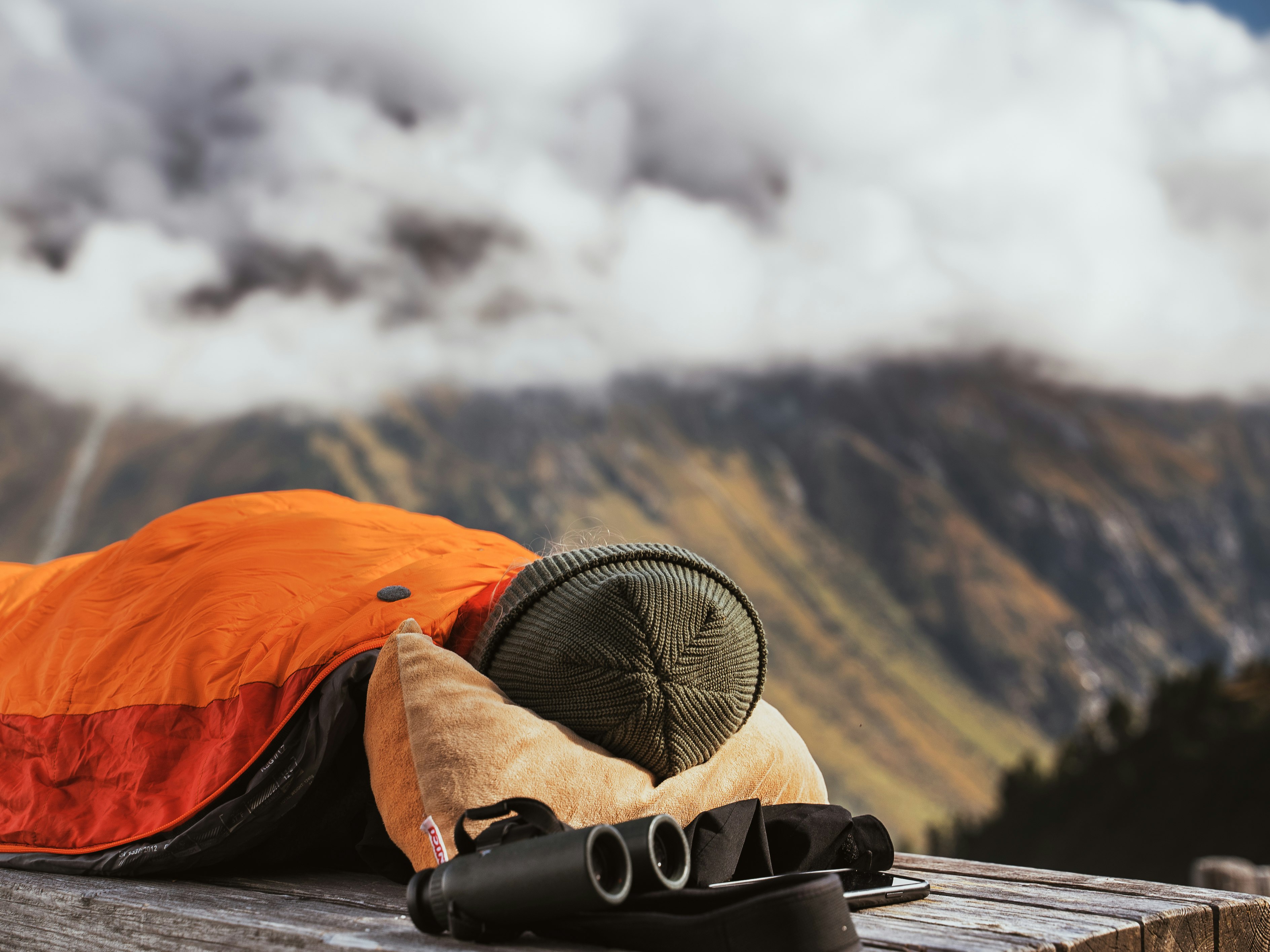
Understanding sleeping bag temperature ratings helps you choose appropriate gear for your outdoor adventures. These ratings provide a standardized way to compare the thermal performance of different sleeping bags, but they are guidelines, not guarantees.
The International Organization for Standardization (ISO) 23537 is the current global standard for testing sleeping bags. This standard helps make ratings more consistent across various brands, which was not always the case in the past.
The ISO 23537 Standard
The ISO 23537 standard replaced the older EN 13537 standard. This update reflects ongoing efforts to refine testing methods and improve the reliability of temperature ratings. When you see a sleeping bag with ISO-compliant ratings, it means the manufacturer has followed a specific testing protocol.
How ISO 23537 Works
The ISO 23537 test involves a heated manikin placed inside a sleeping bag within a climate-controlled room. Sensors on the manikin measure its thermal resistance under specific, controlled conditions. This method aims to simulate a human body’s heat loss and establish a consistent way to quantify a sleeping bag’s insulating properties. The manikin is dressed in standard base layers for the test.
This standardized testing environment reduces variability and allows for a more direct comparison between bags from different manufacturers. Without such a standard, each brand might use its own testing methods, leading to inconsistent and incomparable results.
For those looking to deepen their understanding of outdoor gear, you may find the article on Choosing the Right Sleeping Bag for Your Adventure particularly helpful. This resource complements the discussion on sleeping bag temperature ratings by providing insights into various sleeping bag styles, materials, and features that can enhance your camping experience. Whether you’re a seasoned backpacker or a casual camper, this article will guide you in selecting the perfect sleeping bag tailored to your specific needs.
Decoding Temperature Ratings
Modern sleeping bag ratings typically include several figures: Comfort, Limit/Lower Limit, and Extreme. Some brands also provide an Upper Limit. Understanding what each of these numbers signifies is crucial for making an informed decision.
Comfort Rating
The Comfort rating is the temperature at which a “standard woman” is expected to sleep comfortably in a relaxed position. This rating assumes a woman who is, on average, more sensitive to cold than a man. It represents the lowest temperature at which you should feel warm and get a good night’s sleep without feeling cold.
If you are a cold sleeper, or if you plan to camp in conditions at or slightly below this temperature, the Comfort rating is often the most important number to consider. It provides a more conservative estimate of warmth.
Limit / Lower Limit Rating
The Limit rating, sometimes called the Lower Limit rating, is the temperature at which a “standard man” can sleep for eight hours in a curled-up position without feeling cold. This rating assumes a man who is, on average, less sensitive to cold than a woman.
Many retailers market sleeping bags using this Limit or Lower Limit number. For example, a bag might be advertised as a “20°F bag,” but that 20°F might refer to its Limit rating, not its Comfort rating. It is important to check the full rating table or description to understand which temperature is being highlighted. If you are a warm sleeper, or if you are comfortable sleeping slightly cooler, the Limit rating might be a suitable benchmark. However, for general comfort, especially if you tend to get cold easily, relying solely on the Limit rating can lead to an uncomfortable night.
Extreme Rating
The Extreme rating is a survival-only figure. It represents the minimum temperature at which a “standard woman” can survive for six hours without a high risk of hypothermia. This rating does not imply comfort; it indicates the temperature at which the bag offers a minimal level of protection against life-threatening cold.
You should never plan to use a sleeping bag at its Extreme rating as a practical camping target. It is a measure of emergency survival, not comfortable sleep. Camping in conditions that approach the Extreme rating can be dangerous and is generally not recommended for recreational use.
Upper Limit Rating (Less Common)
Some brands also provide an Upper Limit rating. This indicates the highest temperature at which a “standard man” can sleep comfortably without excessive perspiration, with the hood and zippers open. This rating is useful for those who sleep hot or plan to camp in warmer conditions, helping to prevent overheating.
Factors Beyond the Rating
While ISO ratings provide a standardized baseline, several other factors significantly influence your real-world warmth in a sleeping bag. These elements can make a considerable difference in your comfort and safety outdoors.
Insulation Type
The type of insulation in your sleeping bag plays a major role in its thermal performance. Common types include down and synthetic.
- Down insulation (e.g., goose down, duck down) offers an excellent warmth-to-weight ratio and is highly compressible. It traps air effectively, providing good insulation. However, down loses much of its insulating power when wet.
- Synthetic insulation (e.g., polyester fibers) tends to be bulkier and heavier than down for the same warmth, but it retains much of its insulating properties even when damp or wet. Synthetic bags are often more affordable and quicker to dry.
Neither type is inherently “better”; the choice depends on your specific needs, expected weather conditions, and budget. For instance, in consistently damp environments, a synthetic bag might be a more reliable choice even if it’s heavier.
Bag Design and Features
The overall design and specific features of a sleeping bag also contribute to its warmth.
- Shape: Mummy bags are generally warmer because they are cut closely to the body, reducing internal air space that needs to be heated. Rectangular bags offer more room but can be less thermally efficient.
- Draft collars and tubes: These features prevent warm air from escaping and cold air from entering around the neck and zipper areas. A good draft collar drapes over your shoulders, sealing in warmth.
- Hood: An insulated hood is crucial for retaining heat, as a significant amount of body heat can be lost through the head. A well-designed hood can be cinched down to protect your face and neck.
- Zipper baffling: A baffle (a tube of insulation) running along the zipper prevents heat loss through the zipper coils.
- Footbox design: A well-designed footbox can provide extra insulation and allow your feet to rest naturally without compressing the insulation.
Sleeping Pad’s R-Value
The sleeping pad’s R-value is critically important and often overlooked. A sleeping bag primarily insulates you from the air around you, but compression of the insulation beneath you can significantly reduce its effectiveness. The ground, especially cold ground, can rapidly draw heat away from your body.
The R-value measures a material’s ability to resist heat flow. A higher R-value indicates better insulation.
- Low R-value (1-2): Suitable for summer camping or very warm conditions.
- Medium R-value (2-4): Good for three-season camping (spring, summer, fall).
- High R-value (4+): Necessary for cold weather, winter camping, or if you sleep cold.
If you have a very warm sleeping bag but use a low R-value sleeping pad on cold ground, you will likely feel cold. The pad provides insulation between you and the ground, preventing conductive heat loss. Always match your sleeping pad’s R-value to the expected ground temperatures and your sleeping bag’s rating.
Clothing and Metabolism
Your clothing choices inside the sleeping bag and your individual metabolism also play a significant role.
- Clothing: Wearing clean, dry base layers (wool or synthetic) inside your sleeping bag can add warmth. Avoid cotton, as it loses its insulating properties when damp. Do not overdress to the point of sweating, as moisture reduces insulation.
- Socks and hat: A warm hat and clean, dry socks can make a big difference in heat retention, especially if your bag doesn’t have an effective hood or footbox.
- Metabolism: People have different metabolic rates. Those with higher metabolisms often sleep warmer, while those with lower metabolisms (often “cold sleepers”) may need a warmer bag than the ratings suggest. Your personal experience is a valuable guide.
Nutrition and Hydration
Being well-fed and hydrated also contributes to your body’s ability to generate and retain heat. Your body burns calories to stay warm, so going to bed hungry can make you feel colder. Staying hydrated helps your body regulate temperature more effectively.
Checklist for Choosing a Sleeping Bag
Use this checklist to guide your decision-making process when selecting a sleeping bag. It helps you consider all the relevant factors beyond just the headline temperature rating.
- Expected Lowest Temperature: What is the absolute lowest temperature you anticipate encountering during your trips? Check historical averages for your planned locations or use weather forecasts.
- Sleeper Type: Do you generally sleep warm or cold? If you sleep cold, consider a bag with a Comfort rating closer to your anticipated lowest temperature.
- Trip Type:
- Backpacking: Prioritize lightweight and compressible insulation (often down).
- Car Camping: Weight and packed size are less critical; you can opt for more spacious or budget-friendly options.
- Winter Camping: Requires higher R-value pad, potentially a warmer bag (lower Comfort rating), and specific features like a draft collar.
- Insulation Type Preference:
- Down: Best warmth-to-weight, compressible, but sensitive to moisture.
- Synthetic: Retains warmth when wet, more affordable, but heavier/bulkier.
- Sleeping Pad R-Value: What is the R-value of your current or planned sleeping pad? Does it match the anticipated ground temperatures? Remember, a warm bag on a cold pad equals a cold night.
- Bag Shape:
- Mummy: Most thermally efficient, lighter, but less room.
- Semi-rectangular/Barrel: A compromise between warmth and space.
- Rectangular: Most spacious, good for car camping, but less thermally efficient.
- Features:
- Do you need a draft collar and draft tube along the zipper?
- Is an insulated hood important for head warmth?
- Does it have an effective footbox design?
- Consider compatibility with your tent or other gear (e.g., zip together options).
- Packed Size and Weight (for backpacking): Does the bag compress to a reasonable size and weight for your pack?
- Budget: While quality often comes with a price, there are good options across various price points. Balance your needs with what you are willing to spend.
Understanding sleeping bag temperature ratings is crucial for any outdoor enthusiast looking to stay warm and comfortable during their adventures. For those interested in further enhancing their camping experience, you might find the article on shipping and returns particularly useful, as it provides insights into selecting the right gear and ensuring you have the best equipment for your needs. By combining knowledge of temperature ratings with the right gear, you can make informed decisions that will enhance your outdoor experiences.
Where to Find More Information
For official guidance on outdoor safety and preparedness, consult authoritative sources:
- National Park Service (NPS): Provides extensive information on staying safe in national parks, including cold weather preparedness. https://www.nps.gov/
- National Oceanic and Atmospheric Administration (NOAA): Offers weather forecasts and climate information essential for planning outdoor trips. https://www.noaa.gov/
- Ready.gov: The U.S. government’s preparedness website, with information on various hazards, including extreme cold. https://www.ready.gov/
- American Red Cross: Offers guidance on cold weather safety and first aid. https://www.redcross.org/
- U.S. Forest Service: Provides information on forest safety and responsible recreation. https://www.fs.usda.gov/
By understanding the ISO 23537 standard and considering all the contributing factors to warmth, you can confidently select a sleeping bag that will keep you comfortable and safe on your outdoor adventures. Remember that temperature ratings are a starting point; your personal experience and careful preparation are equally vital.
FAQs
What are sleeping bag temperature ratings?
Sleeping bag temperature ratings indicate the lowest temperature at which a sleeping bag is designed to keep the average person warm. These ratings are typically given in degrees Fahrenheit or Celsius.
How are sleeping bag temperature ratings determined?
Sleeping bag temperature ratings are determined through standardized testing in a controlled environment. The EN 13537 standard is commonly used, which involves measuring the insulation and thermal properties of the sleeping bag.
What do the different temperature ratings mean?
Sleeping bags are typically rated for three temperature ranges: comfort, lower limit, and extreme. The comfort rating indicates the temperature at which a cold sleeper will be comfortable, the lower limit indicates the temperature at which a warm sleeper will be comfortable, and the extreme rating indicates the lowest temperature at which the bag can be used in an emergency to prevent hypothermia.
Are sleeping bag temperature ratings accurate for everyone?
Sleeping bag temperature ratings are based on the assumption of an “average” person. Factors such as metabolism, clothing, sleeping pad, and tent can all affect how warm or cold a person feels in a sleeping bag. It’s important for individuals to consider their own comfort levels and adjust the temperature rating accordingly.
How should I choose a sleeping bag based on temperature ratings?
When choosing a sleeping bag, it’s important to consider the lowest temperature you expect to encounter during your outdoor adventures. It’s generally recommended to choose a sleeping bag with a temperature rating slightly lower than the lowest temperature you expect to encounter to ensure warmth and comfort.
Gear Up for Your Next Adventure
Shop related gear from Outdoor Survivors:


No comment